The Booker Prize Shortlist Explained: How to Read the Contenders with Confidence

Six novels, a handful of judges, and one very loud autumn. The Booker Prize shortlist is one of the few literary events that still escapes the books pages and turns up in ordinary conversation, and every year readers who have never followed a prize before wonder whether they are missing something. They are not. The shortlist is an argument between five people about six books, held in public. Learn how that argument works and you can join it on your own terms.
What the judges are actually asked to do
The rules are brief and the brief is deliberately open. Five judges, chaired by a novelist or critic, consider novels written in English and published in the UK or Ireland within a fixed window of time. There is no scoring sheet, no required subject and no quota for style, length or setting. They must choose the best novel. That is the whole instruction, and it explains a great deal about the results.
In practice, taste and persuasion decide. A judge who loves a book has to convince four others, so the winner is usually the novel that survives the most conversations rather than the one that got the loudest cheer on the first day. It also means the prize goes to a book, not to a career. Reputations, backlists and previous shortlistings carry no formal weight.
So when a result surprises you, it is rarely a scandal. More often it is one judge's enthusiasm beating another's.
How a shortlist gets built
The process runs in three stages, and each one tells you something different.
- Longlist. Around twelve or thirteen titles, announced in late summer and nicknamed the Booker Dozen. This is where small presses, formally odd novels and books in translation often appear, because the judges have room to be curious.
- Shortlist. Six books, announced in September. This is the list most readers engage with, and it is a compromise: every title has at least one passionate advocate, and none has an outright enemy.
- Winner. Announced at a ceremony in the autumn. By then the judges have usually re-read the shortlist, which tends to favour novels that reward a second visit.
One practical consequence: a longlist omission and a shortlist omission are not the same thing. Books that were barely mentioned in July have a habit of winning in November.
The themes that keep surfacing
You do not need to know the judges personally to guess what will interest them. Certain subjects return year after year, not because there is a formula but because these are the arguments novelists are having now.
- Family as a pressure cooker: inheritance, siblings, the slow unearthing of an old secret.
- History with a modern mirror: a past era used to comment, obliquely or directly, on the present.
- Movement and borders: migration, exile, and what a new language does to a person.
- Grief, care and illness: the ordinary labour of looking after someone.
- Autofiction and the slippery "I": narrators who resemble their authors and know it.
- Old stories retold: myth, folk tale and epic, reworked from a different point of view.
Treat this as weather, not forecast. A shortlist of six can easily hold four historical novels and two that never leave a single kitchen.
How to read the contenders with confidence
The commonest mistake is trying to read all six properly. It rarely works, and it turns pleasure into homework. Better to read two or three well.
- Read the opening twenty pages of every title before committing to any of them. Some novels announce themselves immediately; others need fifty pages. Give a slow starter a fair run before you set it aside.
- Keep one note per book: a sentence, a word, a question. When the winner is announced you will have an opinion with evidence behind it.
- Finish at least two. An informed disagreement is far more enjoyable than a vague one.
- Read one review after you finish, not before, and notice where your reading differs from the critic's.
If a book defeats you, put it down. A prize list is an invitation, not a syllabus.
Following the debate without prior prize knowledge
Coverage falls into two kinds, and it helps to know which you are consuming. Criticism talks about the book: what it does, how it does it, whether it works. Chatter talks about the contest: the odds, the snubs, the ceremony, the idea that a particular sort of novel always wins. Both are entertaining. Only one will help you read better.
- The prize's own website and podcast, which publish interviews with judges and shortlisted writers as the list develops.
- Newspaper and magazine books desks, which review each title in the days after the announcement.
- Independent bookshops and libraries, whose staff recommendations are usually more useful than the betting odds.
- Shadowing groups, where readers debate the list and pick their own winner before the real one is revealed.
Betting odds describe money rather than merit. They are entertaining, and occasionally accurate, in the way that weather forecasts are.
Where to start this week
Pick two books from the list: one you are drawn to, and one that sounds like hard work. Read them in whichever order suits your week. If you can manage a third, choose the title nobody has recommended to you yet — that is often where the most interesting reading sits.
Then do three things. Write down which book you would give the prize to. Write down which book you think the judges will choose. And say out loud which one you would defend in an argument. Those three answers are rarely the same, and the gap between them is the whole pleasure of following a prize. You end up reading alongside the judges rather than trailing after them, which is exactly what a shortlist is for.
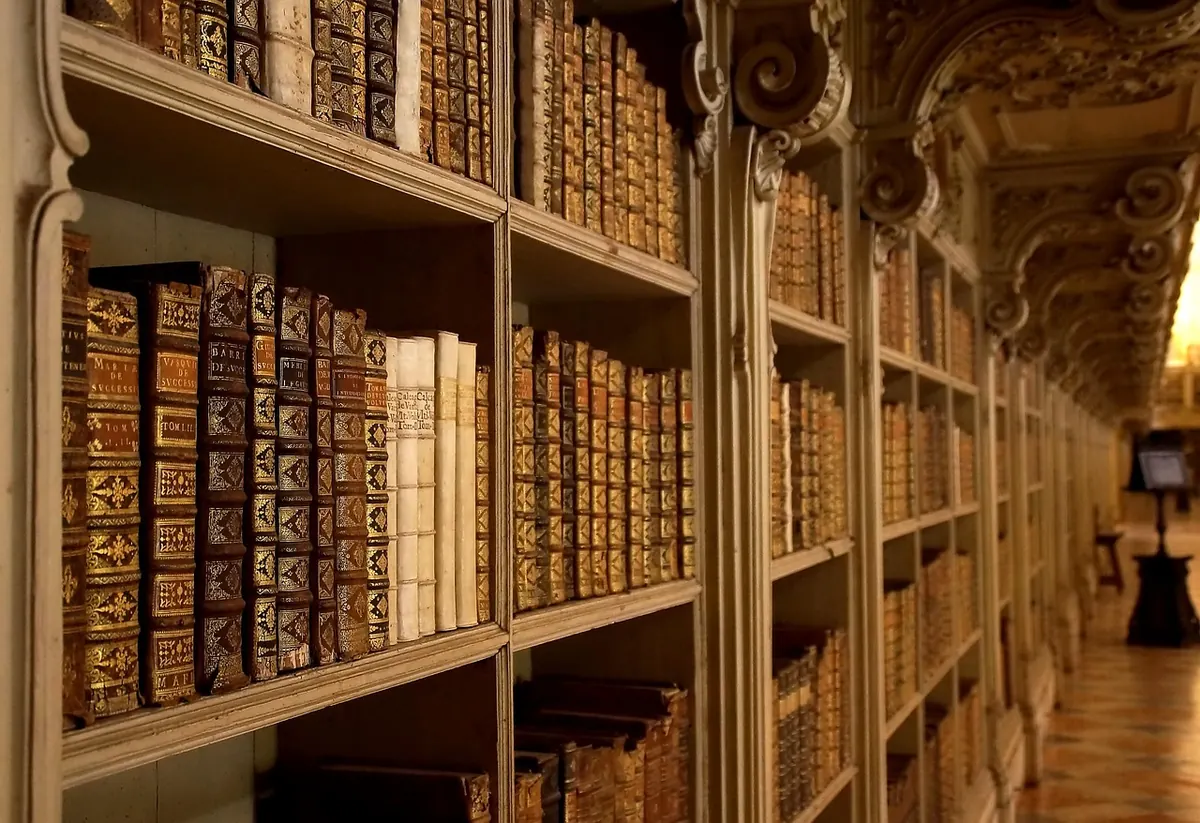
Photo: congerdesign / Pixabay