Common Mistakes When Choosing Your Next Read: A Checklist for Shoppers
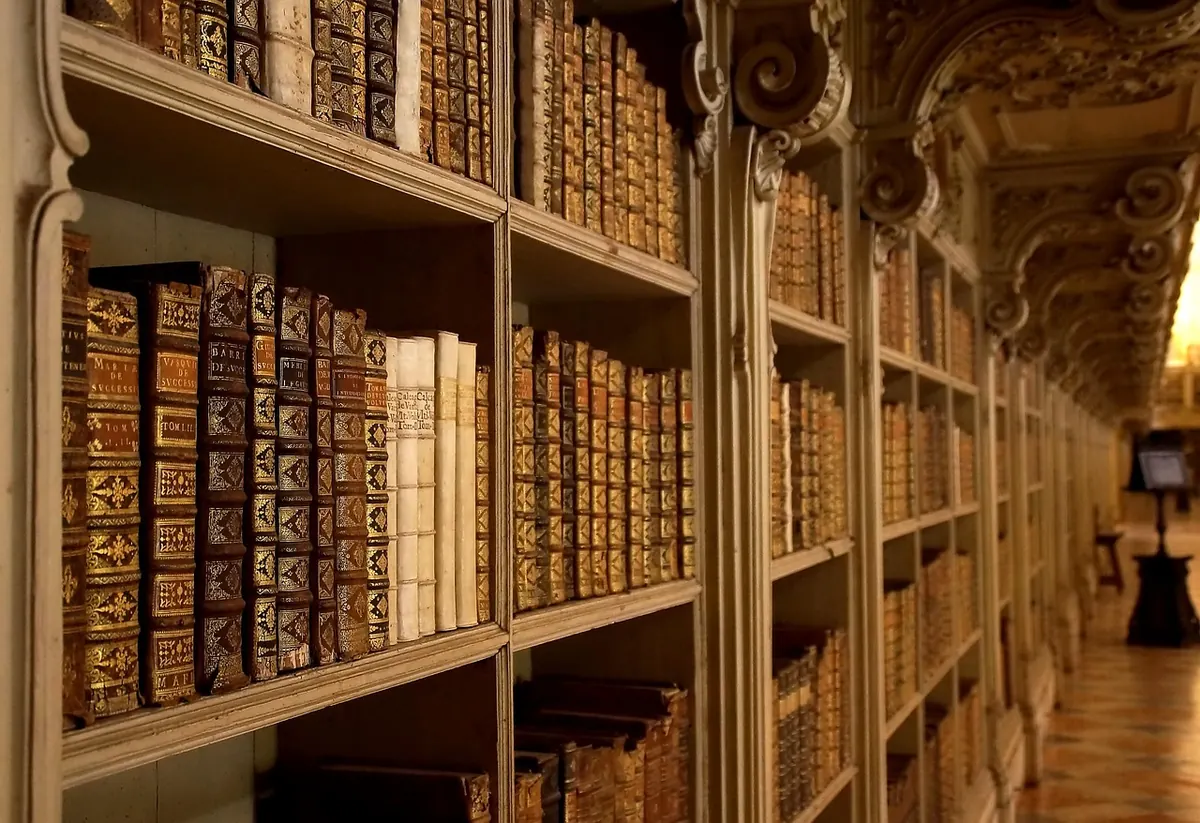
Choosing a book should be the easy part. You like reading, you like the sound of something, you buy it — and then it sits on the shelf while you reread something familiar instead.
Most disappointing reads aren't bad books. They're good books met at the wrong moment, in the wrong format, or for reasons that had nothing much to do with the pages. A little scepticism before you spend isn't joyless. It's how you end up with a shelf you trust.
Mood mismatches, or buying the reader you wish you were
Mood is the most common reason a book fails, and the hardest to spot, because we tend to plan our reading for an imaginary version of ourselves. There's a version of you who has the concentration for a dense translated novel on a Tuesday night. There's also the real you, who has been staring at a screen since eight o'clock and wants something that moves.
Reading moods vary along a few useful lines: pace, darkness, difficulty, emotional weight and realism. A slow, beautifully written novel about grief can be exactly right in October and unbearable in a week when everything is already too much. A frothy romance can be a tonic or a waste of an evening, depending on what you wanted from it.
Before you buy, look at the last three books you finished — not the last three you bought. What did they have in common? If two of them were gripping crime novels and the third was a comic memoir, that's your actual taste speaking. Buy for that reader, not the one who keeps meaning to read Proust.
Hype bias: when everyone else's favourite isn't yours
Prize longlists, bestseller tables and a wall of identical covers in the bookshop window are not lies. They're filters, and filters are built for crowds rather than for you. A book can be genuinely excellent and still be a poor match for your particular brain.
The trick is to notice why something is being recommended. "Shortlisted for a major prize" tells you a judging panel admired it. "Everyone at work is talking about it" tells you it will give you something to discuss at lunch. Neither of those is a promise that you'll enjoy page 40.
Recommendations only become useful when you know the recommender's taste. Find two or three reviewers, booksellers or friends whose enthusiasms have matched yours more than once, and read their caveats as carefully as their praise. "Beautifully written but very slow in the middle" is worth more than five stars.
And if you're buying a book mainly to join a conversation, be honest about it. That's a perfectly good reason. It might mean borrowing it, though, rather than paying full price for something you'd never have chosen.
Format confusion: the same book in the wrong shape
A book isn't only its text. The format changes how it feels to read, how long it takes, and whether you'll finish it at all.
- Audio: wonderful for walking, driving and washing up, less good if your listening happens in five-minute fragments. Dense, lyrical prose or complicated plots with many characters can be hard to hold in the ear. A great narrator can rescue a thin book; a poor one can sink a good one.
- Ebook: ideal for long books and small bags, but it removes the physical sense of progress that keeps some readers going.
- Paperback: the default for a reason. Cheap enough to lend, light enough to carry, comfortable enough to read in the bath — though not, ideally, in the bath.
- Hardback: lovely to own, awkward on a train, and often bought for the shelf rather than the sofa. If you're honest that it's an object as much as a text, that's fine. Just don't confuse the two pleasures.
Length matters here too. Check the page count rather than trusting the blurb's suggestion of a brisk read. A 700-page epic needs a fortnight and some appetite; in audio, that's a serious number of hours. Neither is a problem, as long as you know what you're taking on.
The blurb, the comparisons and the "if you liked that" trap
Blurbs are written to sell books, not to describe them. Phrases such as "a sweeping, luminous debut" and "perfect for fans of" carry almost no information. Comparisons to a famous bestseller usually mean "this is in the same broad genre", not "this will affect you the same way".
The most reliable thing you can do is read the opening. Most bookshop websites, library apps and retailer previews allow a sample, and ten or fifteen pages will tell you more than any jacket copy. Read them properly and ask one question: would I keep going if nobody knew I was reading this?
Covers mislead in the other direction, too. Bright, breezy artwork can sit on a novel about addiction and loss. If tone matters to you — and for most readers it does — check a review or two before the cover decides for you.
Commitment creep: series, trilogies and cliffhangers
A first instalment of 300 pages can be the doorway to 4,000. That's a delight if you fall in love with the world and a trap if you merely quite like it. Before you start, find out whether the series is finished, whether the first book stands alone, and whether it ends on a cliffhanger that will push you straight into book two at full price.
There's also the quieter problem: buying books is a different hobby from reading them. Both are enjoyable, and neither is a moral failing, but if your unread pile has started to feel like homework, stop adding to it for a month. The pile will still be there.
Building a shortlist you'll actually read
Forget the 200-title wishlist. Keep a short, deliberate shortlist of five to eight books, each with a single line explaining why it's there. Then choose on the day, according to mood rather than obligation.
A workable shortlist usually includes one comfort read, one book that asks a bit more of you, one non-fiction title and one wildcard you'd never normally pick up. Before anything joins the list, run it past these questions:
- What mood am I in this week, rather than in general?
- Do I want to be gripped, soothed, provoked or entertained?
- What did I love about the last book I finished, and does this share it?
- Which format will I realistically use — print, screen or audio?
- How long is it, in evenings or hours, and have I got that to give?
- Has anyone whose taste matches mine read it and mentioned a drawback?
- Am I buying this to read it, or to own it?
The two-minute test before you pay
Read the first ten pages. Check the length. Check the format against how you actually read. Then say your reason out loud in one sentence: "I want something tense and quick because work is heavy" is a reason. "It's everywhere at the moment" is a feeling, and feelings fade before chapter three.
If the only argument for a book is that you keep seeing it, leave it on the shortlist for a fortnight instead of buying it. If you still want it then, buy it with confidence — books that survive a waiting period tend to get opened.
The best next read isn't the most talked-about one. It's the one you'll start tonight.
Photo: ofuss / Pixabay