Independent Bookshops in the UK: A Beginner's Guide to Finding and Supporting Local Shops
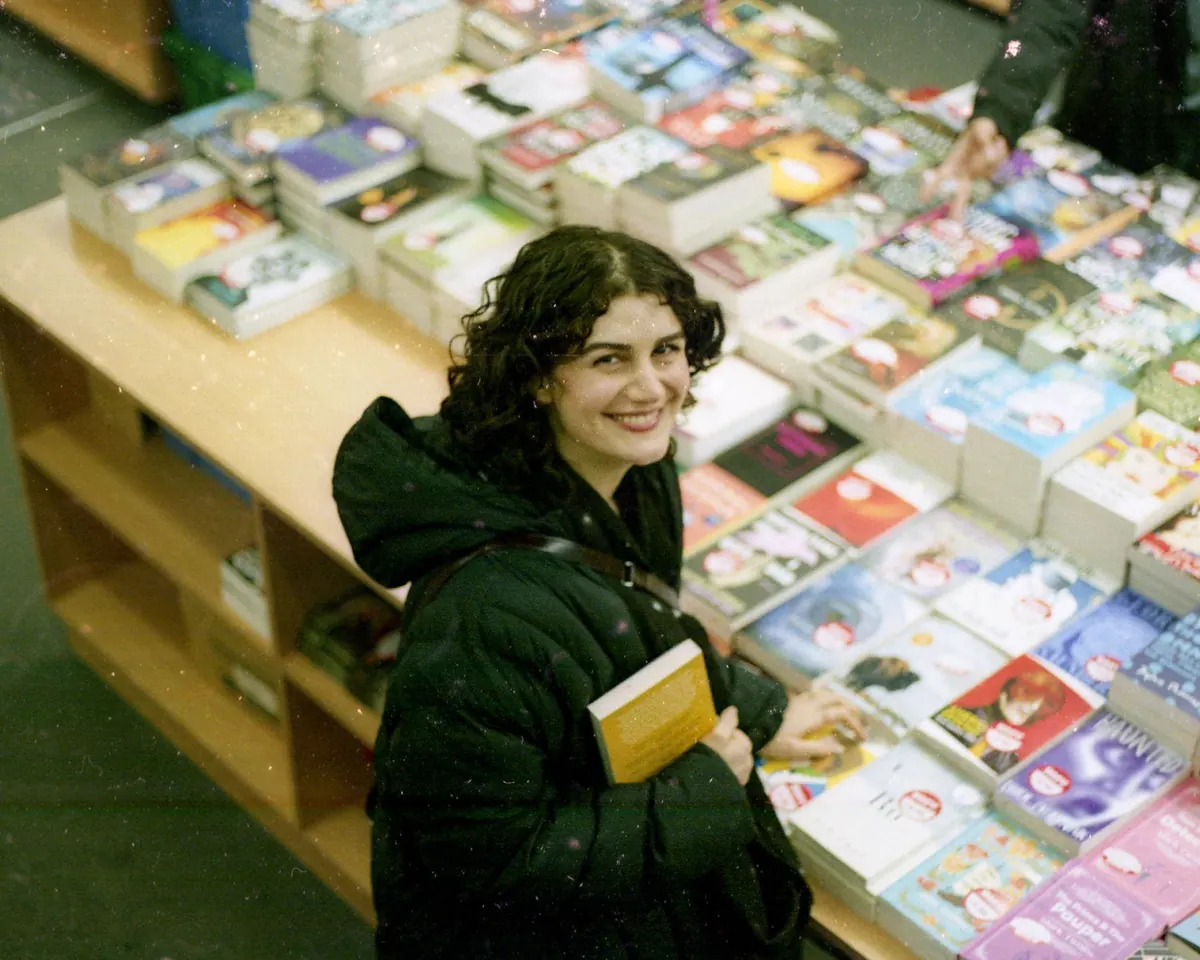
Walk into most independent bookshops and someone will look up, ask what you have been reading lately, and then take you somewhere you did not plan to go. That is the whole appeal. Independents are run by people who choose their stock title by title, which means the shelves are opinions rather than algorithms.
The difficulty is practical. Chains, supermarkets and online retailers are easy to default to, and a small shop on a side street is easy to miss. What follows is a straightforward guide to finding the independents near you, joining in what they run, ordering the books they do not have in stock, and getting something out of the community that forms around them.
How to find the shops near you
Start with directories rather than search engines. The Booksellers Association keeps a searchable list of member shops, and campaigns such as Books Are My Bag and Bookshop Day point to shops locally. Tourist information offices, council leisure pages and library noticeboards are also useful, because they list places that do not spend much on advertising.
Expect to look slightly off the main drag. Independents turn up in converted chapels, market halls, railway arches, upstairs rooms and former banks, partly because the rent is lower.
- Ask a librarian. They know which shops stock what, and which ones run events for children.
- Ask in the shop you already use. Booksellers recommend each other freely, especially for specialist stock.
- Check local community groups. Parish magazines, noticeboards and neighbourhood forums often carry event listings.
- Look beyond new books. Second-hand and antiquarian dealers count too, and many belong to trade associations with their own directories.
- Widen the radius. A shop twenty minutes further out may be worth the trip if it specialises in poetry, crime, nature writing or children's books.
What an independent can do that a search box cannot
Ordering online is efficient if you already know the title. A bookseller is more useful when you do not. Describe the book you half-remember — the cover colour, the plot, the year, the fact that it had a map at the front — and they will often identify it. They also know which edition of a classic has the better notes, which translation reads best, and which paperback will survive being read in the bath.
Special orders
Most shops can order almost any in-print title, and they will chase second-hand or out-of-print copies if you ask. It is a normal part of the job, not an imposition. If a shop does not stock your genre, say so; regular requests are how sections grow.
Signed copies and pre-orders
Many shops take pre-orders and can arrange signed or dedicated copies when an author visits, which is worth asking about before publication day rather than after.
Ordering a book without fuss
Ordering from an independent is not complicated, but a few details save everyone time.
- Give the title and author, plus the ISBN if you have it. The ISBN removes any confusion between books with similar names.
- Say which format you want — hardback, paperback, large print, audiobook on CD — and whether you mind waiting for a cheaper edition.
- Ask how long it will take and whether they want a deposit. Times vary by publisher and distributor, and nobody can promise next-day delivery on everything.
- Ask them to hold it and note the collection window. Shops have limited shelf space behind the till.
- Think about delivery. Some shops deliver locally, some offer click and collect, and some will post if you cannot get in.
While you are there, ask about gift vouchers and National Book Tokens, which most shops accept, and about loyalty schemes or book subscriptions if they run them. Both are easy presents, and both keep money circulating locally.
Events, reading groups and the social side
The reason to keep going back is rarely the shop's lighting. It is the reading group that meets on a Tuesday, the launch night with a local poet, the crime panel, the children's story hour, the writing workshop in the back room. These are usually advertised in a newsletter, on a noticeboard by the till, or through the shop's social media accounts.
Joining in is simple: ask at the counter whether there is a mailing list, and say what you would like to see. Book groups often welcome new members and are less intimidating than they sound — most are a dozen people disagreeing politely about a novel over biscuits.
If you attend an event, buy something. A signed book, a paperback for a friend, or a coffee from the café next door keeps the evening viable.
Supporting a shop when money is tight
Not every visit needs to end in a purchase, and not every supporter has spare cash. There is still plenty you can do.
- Buy vouchers as birthday and Christmas presents. The recipient chooses, the shop benefits.
- Order through the shop instead of a website, even when it takes a few days longer.
- Leave a review on Google or a local listings site, and mention particular staff or sections.
- Tell other people. A recommendation from a friend is worth more than any advertisement.
- Offer time if they use volunteers for events, deliveries or shelving, and ask first.
- Donate books only if they want them. Phone ahead; unsellable boxes cost shops money to dispose of.
Be patient with the economics. Independents cannot match supermarket discounts or same-day delivery, and their margins are thin. Browsing in a shop and then buying online is the habit that closes them.
A practical plan for the next month
Pick two shops within reasonable travelling distance, one familiar and one new. Buy one book in person rather than online. Ask for one special order, even something small. Sign up to one newsletter. Go to one event, even if you only stay for half an hour. Then take a friend to your favourite and let them see what you have been going on about.
That is enough. Independent bookshops survive on steady, ordinary support from people who live nearby — a few pounds here, an hour there, a recommendation passed on. Start with one shop, and see where the conversation takes you.
Photo: Farnaz Kohankhaki / Pexels